Introduction
Ground investigation for home builders was at the core of GeoEnviro Solutions’ involvement in the redevelopment of Castle Mills, Keighley, a complex brownfield site being transformed into 21 new homes and 16 apartments. From the earliest planning stages through to engineering design, contamination risk assessment, remediation, and slope stability modelling, GES delivered a full geo-environmental and geotechnical package to enable a safe, compliant and buildable residential scheme.
Located within a steep-sided river valley and historically used as a woollen mill and scrapyard, the site presented almost every technical challenge a home builder could face: Made Ground, contamination exceedances, groundwater, unstable slopes, varying levels, drainage constraints, retaining structures, gas risks and complex foundation requirements. This case study demonstrates how GeoEnviro Solutions supported the development team through each stage, providing practical, build-focused solutions tailored to the needs of UK home builders.
Project Background
The Castle Mills site sits between Becks Road and the North Beck waterway. With plans to construct low-rise residential housing and apartment blocks, the client required a full technical understanding of the ground conditions and a clear pathway through planning conditions related to contamination, gas risk, structural stability and drainage.
GES reviewed historic reports, undertook further investigation, and supported the client with:
- Phase 2 ground investigation
- Geo-environmental risk assessment
- Remediation strategy (planning condition discharge)
- Slope stability assessment
- Retaining wall engineering
- Foundation design
- Gas monitoring & protection design
- Crane platform design
- Drainage constraints review
- Construction-phase support
Site Challenges Identified
1. Contaminated Made Ground
Investigation confirmed contamination within Made Ground including arsenic, cadmium, lead, copper, nickel, zinc and PAHs (sample exceedances recorded in multiple trial pits and boreholes). These contaminants posed risks to future residents and required a robust and planning-approved remediation approach.
2. Significant Slope Instability
The site topography is steep, and slope modelling behind proposed housing plots showed an unacceptably low Factor of Safety (0.20), indicating a clear risk of ground movement without intervention.
3. Ground Gas Risk (CS2)
Carbon dioxide levels reached 9.3% with a calculated GSV of 0.2325 l/hr, placing the site in CIRIA CS2, triggering the need for gas protection measures for all new dwellings.
4. Drainage & Groundwater Constraints
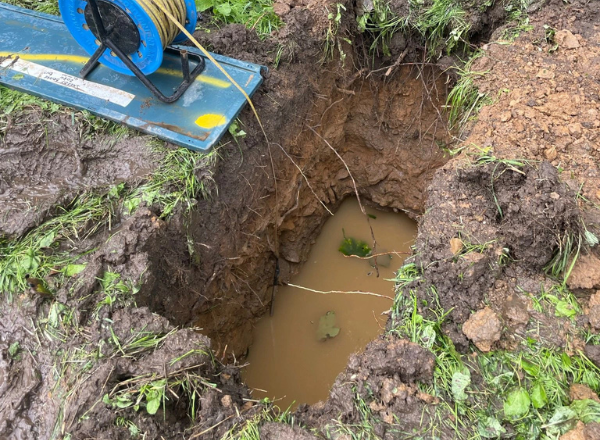
Groundwater was encountered across all monitoring rounds.
Made Ground rendered soakaway drainage not permissible under Environment Agency guidance, requiring alternative drainage solutions.
5. Structural Design Requirements
With varying ground strengths and level changes, the proposed development required multiple engineered retaining walls, platform assessments and bespoke foundation designs.
GES Technical Solutions
1. Ground Investigation & Risk Assessment
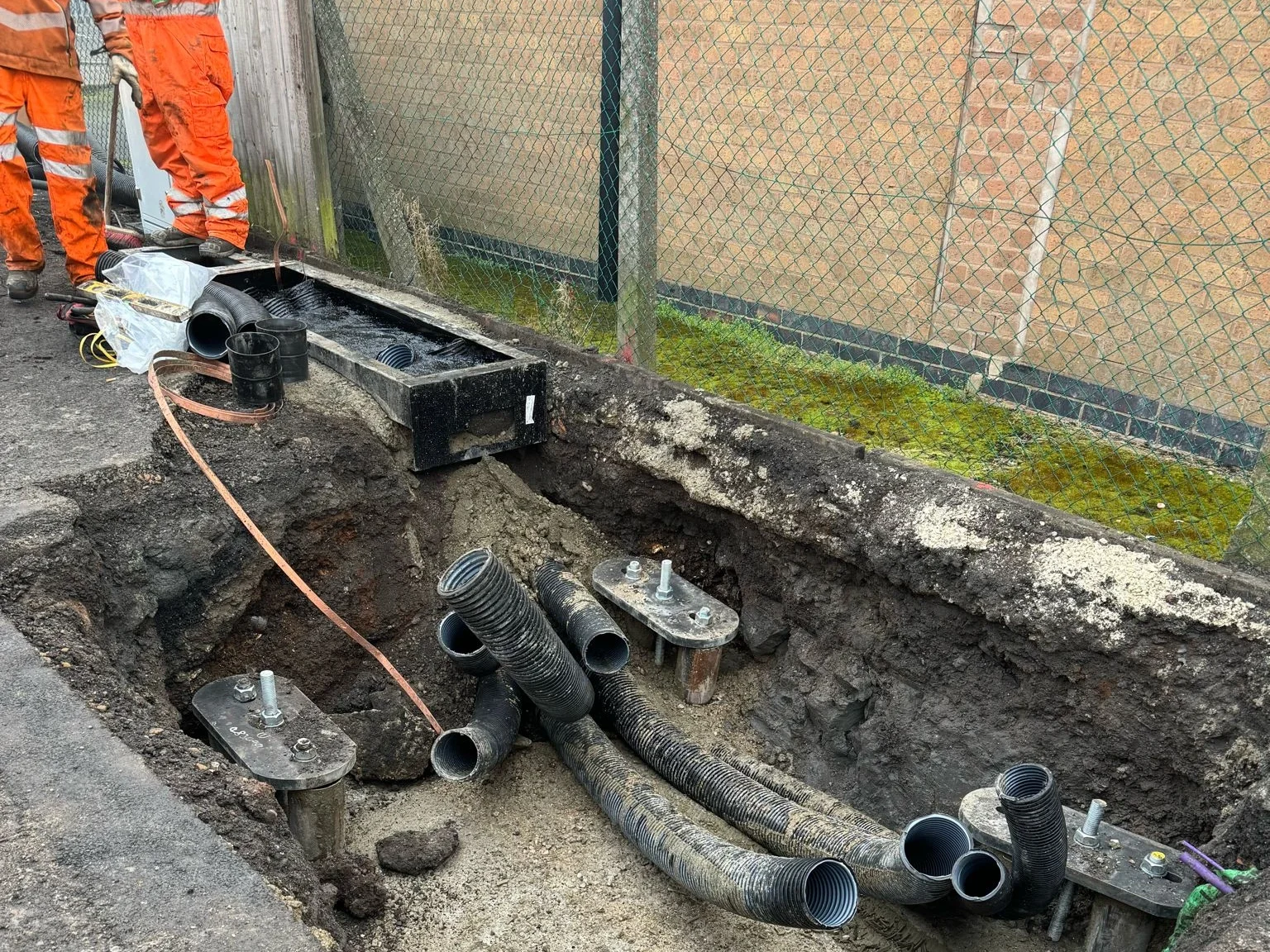
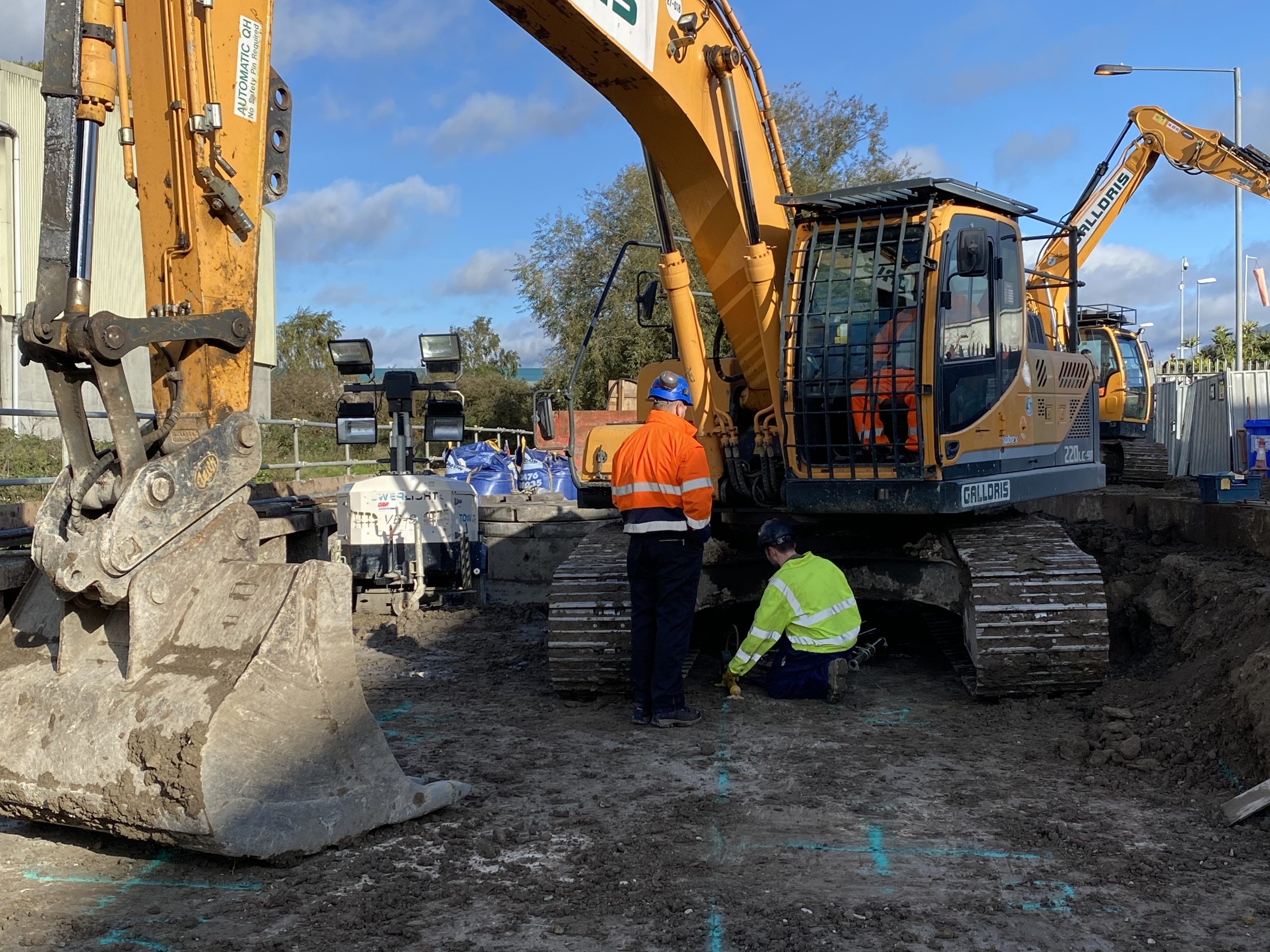
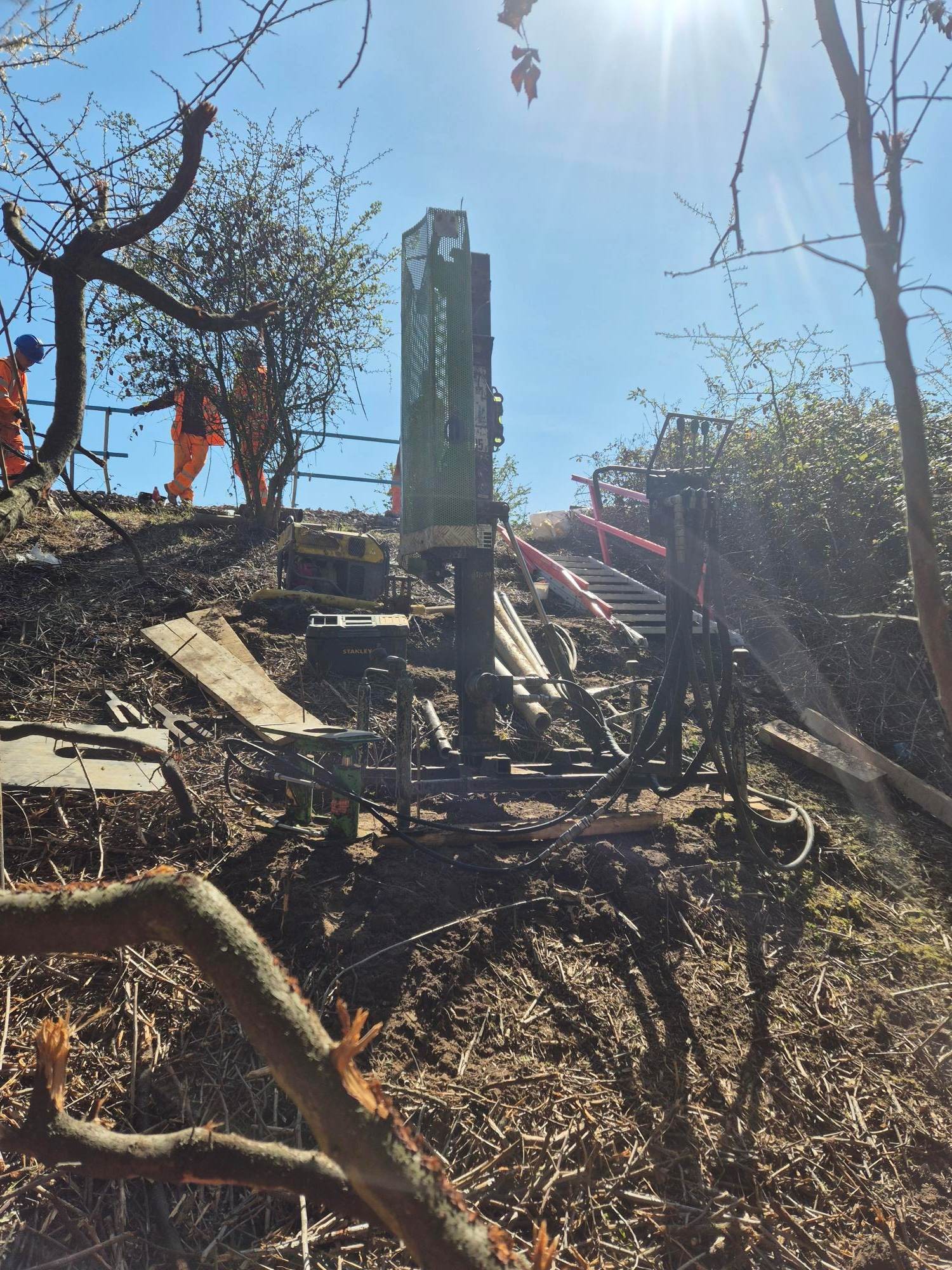
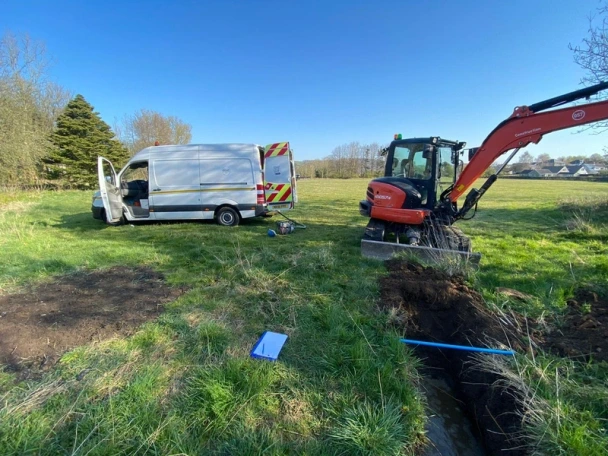
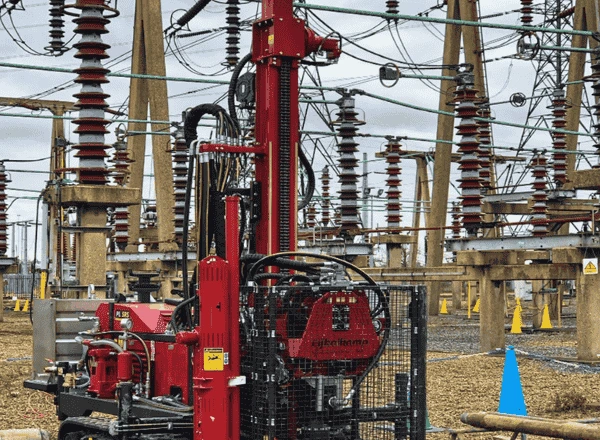
GES completed targeted window sampling, trial pitting, soil testing, gas monitoring and groundwater monitoring. Data informed the updated Conceptual Site Model and risk assessment.
2. Remediation Strategy for Residential Development
GES produced a full remediation strategy including:
- 0.6 m clean cover system with geotextile across garden areas
- Removal and validation of contaminated soils
- Requirements under CDM & COSHH for construction workers
- Watching brief and discovery protocol
- Clean imported soil validation criteria
- Ground gas protection design (1200–2000 g DPM, venting layers, sealed joints)
This strategy satisfied planning requirements and enabled redevelopment to proceed safely.
3. Foundation & Concrete Design
Foundations were designed to account for Made Ground variability, groundwater and sulphate conditions. Sulphate testing indicated a DS-2 concrete class requirement. GES provided:
- Bearing capacity recommendations
- Sub-base requirements
- Foundation solutions appropriate to each plot
- Guidance for buried concrete and hardstanding construction
4. Slope Stability Engineering
Slope modelling demonstrated the need for engineered solutions. GES prepared design advice on:
- Regrading of slopes
- Possible reinforced earth systems
- Requirements for suitable retaining structures
- Drainage behind retaining elements
5. Retaining Wall & Highway Support Engineering
GES designed Flex bag retaining walls and provided guidance for highway boundary walls required to support changes in site levels.
6. Crane Platform Design
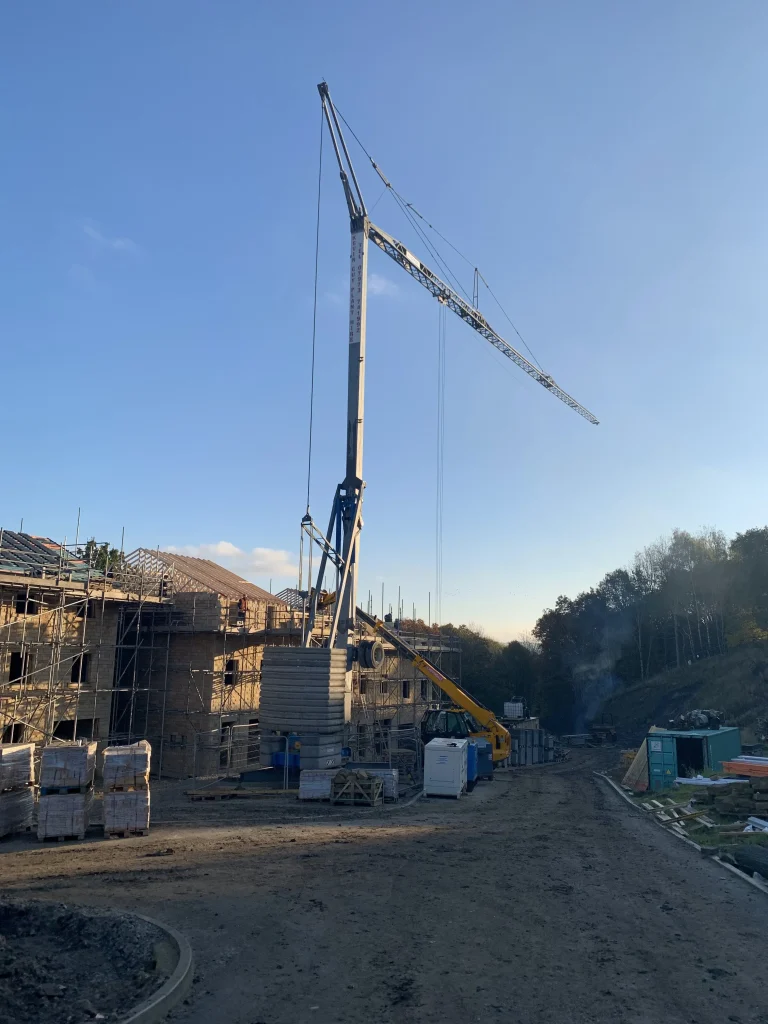
To support heavy-site cranes, GES designed a BRE 470-compliant working platform up to 950–1000 mm thickness with optional geogrid reinforcement.
7. Drainage & Surface Water Advice
GES confirmed that soakaways were unsuitable due to Made Ground and contamination, advising alternative drainage strategies to meet planning and building control standards.
Outcome for the Home Builder
By delivering an integrated, engineering-led approach, GES helped the developer:
- Discharge key planning conditions
- Reduce construction risk
- Optimise foundation and retaining wall design
- Avoid delays caused by unforeseen contamination or unstable slopes
- Implement safe, compliant gas and remediation measures
- Progress the scheme to build-ready status
For home builders operating on challenging brownfield land, the Castle Mills project demonstrates how GeoEnviro Solutions provides practical, cost-effective technical support from first investigation through to construction.
Planning a residential development on challenging ground?
Get in touch with GeoEnviro Solutions for ground investigation, foundation design and geo-environmental support. Request a quote or site review.