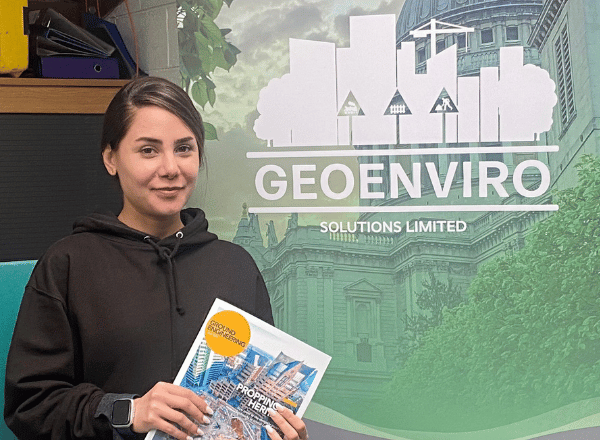
From Lab to Field: How Leeds Beckett University’s KTP Associate Is Bridging Academia and Industry with GeoEnviro Solutions and Borehole Solutions. This Q&A was featured in the June edition of GE Magazine.
What is your current role, and what projects are you working on?
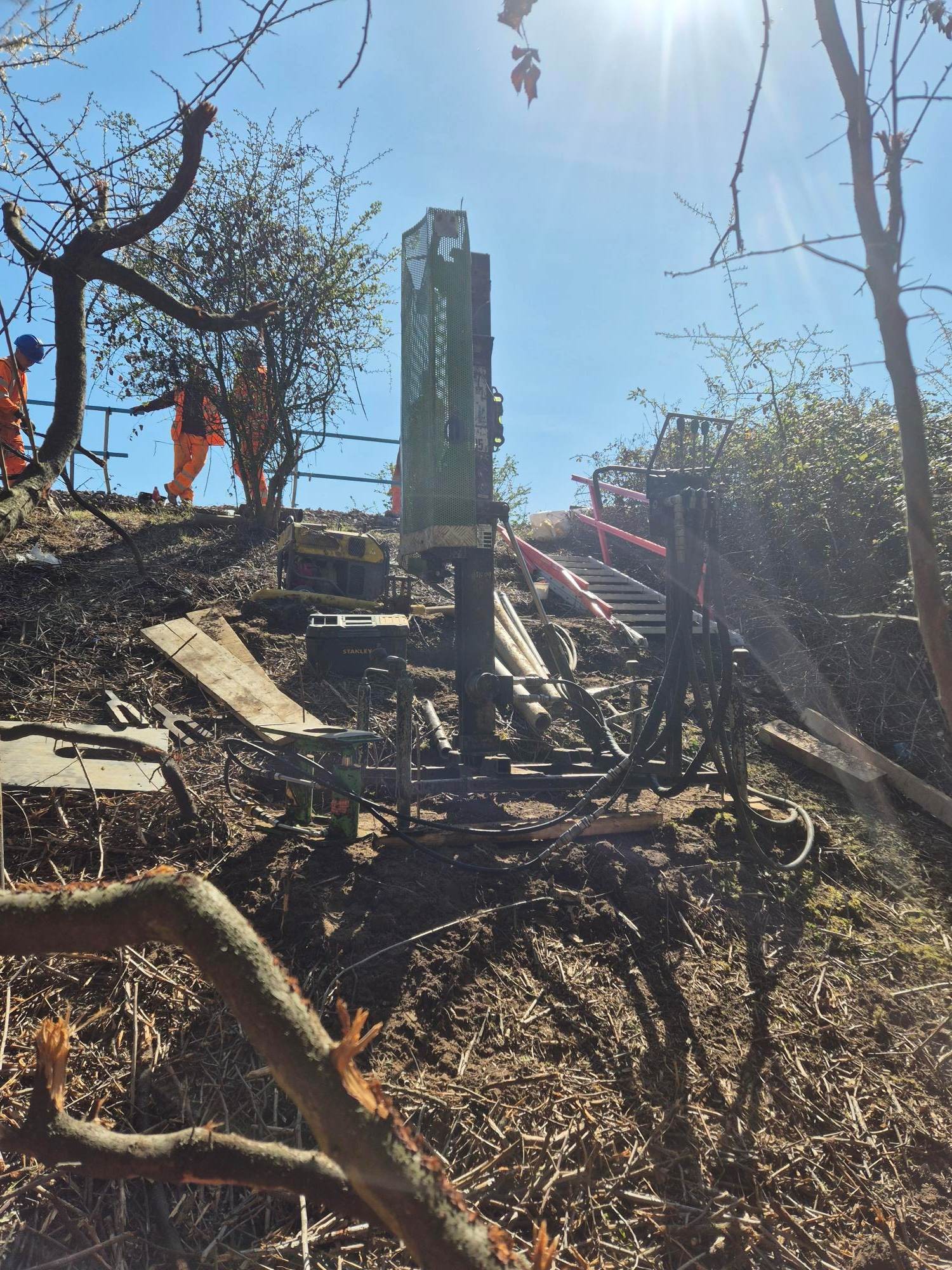
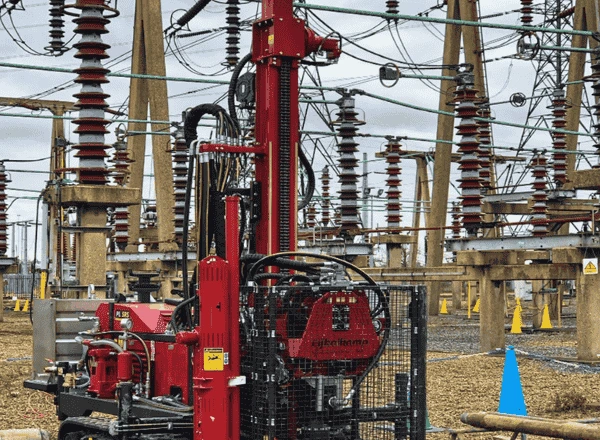
I am the Knowledge Transfer Partnership (KTP) associate in a collaborative Innovate UK-funded project between Leeds Beckett University and Borehole Solutions, focusing primarily on evaluating the validity of soil samples obtained from sonic drilling compared to traditional methods such as cable percussion through rigorous soil testing.
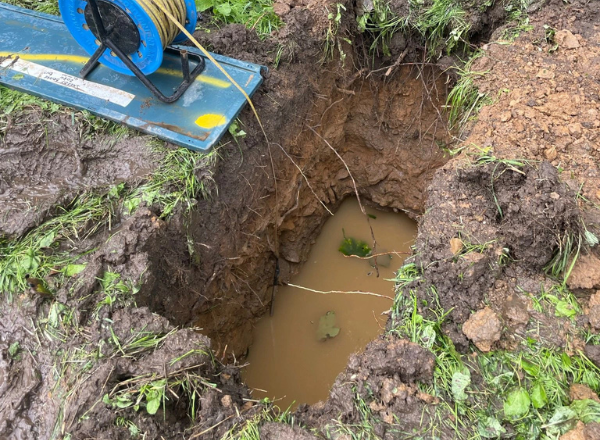
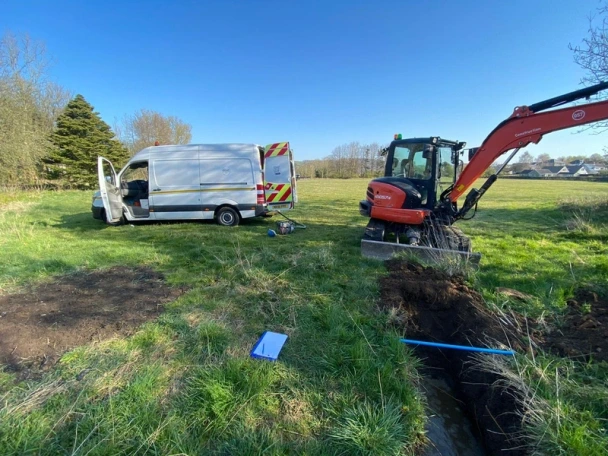
My work also involves field test investigations to explore potential advantages of sonic drilling compared to traditional drilling methods in different aspects of sample integrity, efficiency, safety and investigation-derived waste. I also volunteer as an early career representative for the Yorkshire Geotechnical Group (YGG).
What part of your work do you enjoy most?
Until recently I primarily identified as a statistician, coder and numerical modeller in geotechnics. However, I am currently working in the Leeds Beckett soil laboratory with a wide range of apparatus, focusing on generating soil parameters. I find it fascinating to be in the laboratory, experiencing a different aspect of geotechnical engineering and generating the parameters I previously used in my modelling work.
Additionally, being a KTP associate within a drilling company, Borehole Solutions, and its sister company, GeoEnviro Solutions, has provided me with valuable industrial exposure.
Which project has impacted you the most, and what lessons did you learn?
My current KTP role has challenged me to refine my laboratory expertise after years of focusing on numerical research, strengthening my ability and confidence to adapt and excel across different technical domains. A pivotal aspect of this experience has been the trust placed in me by my KTP project supervisors, which has allowed me to take ownership of critical research stages. I strongly believe that when given the right opportunities, individuals with a proven track record of achievements can drive innovation beyond their primary skill set, something I have seen firsthand as my contributions have directly benefited the entire project team.
Beyond the technical aspects, this role has sharpened my leadership and communication skills, particularly in managing direct interactions with 10 to 15 individuals and up to 50 during residential modules.
Which industry groups or initiatives do you engage with, and why is this work important?
I actively engage with the YGG as a representative of its Early Career Group. This role allows me to contribute to organising events, networking with professionals in the geotechnical field and staying up to date with industry developments. Being part of YGG is valuable as it provides opportunities for early career professionals like myself to gain insights from experienced practitioners. I have also participated in several Yorkshire Contaminated Land Forum conferences alongside my company colleagues.

Who or what inspires you?
I am inspired by individuals who push boundaries despite adversity; those who innovate solutions, uplift others and drive meaningful change. I resonate deeply with resilience and forward-thinking leadership. I admire those who turn challenges into opportunities, continuously grow despite setbacks and remain committed to excellence.
How can ground engineering become a more appealing sector for the next generation?
This can be doe by bridging the gap between academia and industry, integrating more hands-on, real-world learning experiences alongside theoretical education. For example, in addition to studying soil behaviour in theory, students should have more opportunities to engage in laboratory and fieldwork, allowing them to observe these principles firsthand.
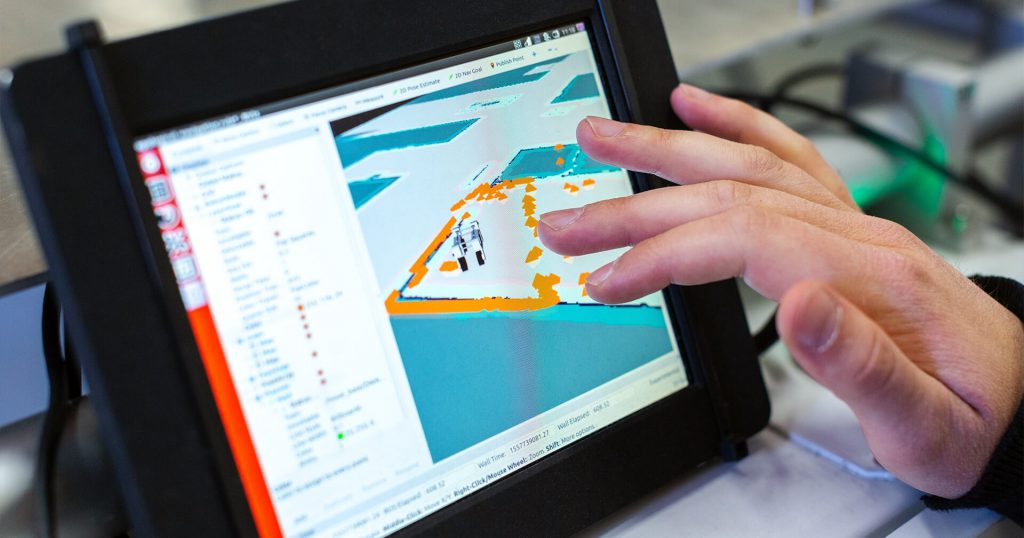
Additionally, incorporating cutting-edge technology and software into education and practice will enhance the field’s relevance and interdisciplinary connections, making it more engaging and future-ready.
What challenges or opportunities should the industry focus on today and in the future?
One of the key challenges in ground engineering today and in the future is the ageing skilled workforce, which risks creating a knowledge gap if expertise is not effectively transferred. To help mitigate future shortages, the industry should prioritise attracting and training the next generation of skilled professionals.
Unlike some fields where artificial intelligence can replace human expertise, ground engineering requires significant human supervision due to the complexity and variability of soil behaviour. Since soil is not a homogeneous material, its performance cannot be predicted solely through data; external conditions and site-specific factors play a crucial role.
What key advice or insight would you like to share with the geotechnical community?
One key piece of advice is that technical expertise alone is not enough to succeed in geotechnical engineering; effective communication is just as important. Whether conveying complex soil behaviour to non-specialists or ensuring seamless collaboration between engineers, contractors and clients, strong communication can significantly impact project outcomes. Investing in this skill, along with technical knowledge, will help professionals make a greater impact in the field.
The geotechnical field is evolving rapidly and bridging the gap between research and industry is crucial. While academic advancements introduce innovative techniques and materials, their practical implementation often lags. Stronger collaborations between universities and industry can accelerate progress.
Looking for advanced geotechnical solutions or expert support? Contact us today to discuss your project needs.