Understanding the New Street Works UK Material Classification Protocol
The Street Works UK Material Classification Protocol 2025 is transforming how utilities, local authorities, and street works contractors manage excavation waste across the UK. Taking effect from 1 October 2025, the protocol replaces RPS 298 and RPS 299, introducing a new risk-based approach that ensures accurate waste classification, environmental protection, and full traceability.
Under the updated rules, every excavation must undergo desk-based and site-based risk assessments, along with litmus and PAK testing to identify potential contamination. In addition, at least 1% of all qualifying excavations must be validated through UKAS/MCERTS-accredited laboratory testing, with results uploaded quarterly to the Street Manager portal.
This regulatory shift will have major implications for utility providers and contractors, who must now demonstrate compliance through structured testing, reporting, and waste segregation processes.
Why the Protocol Matters
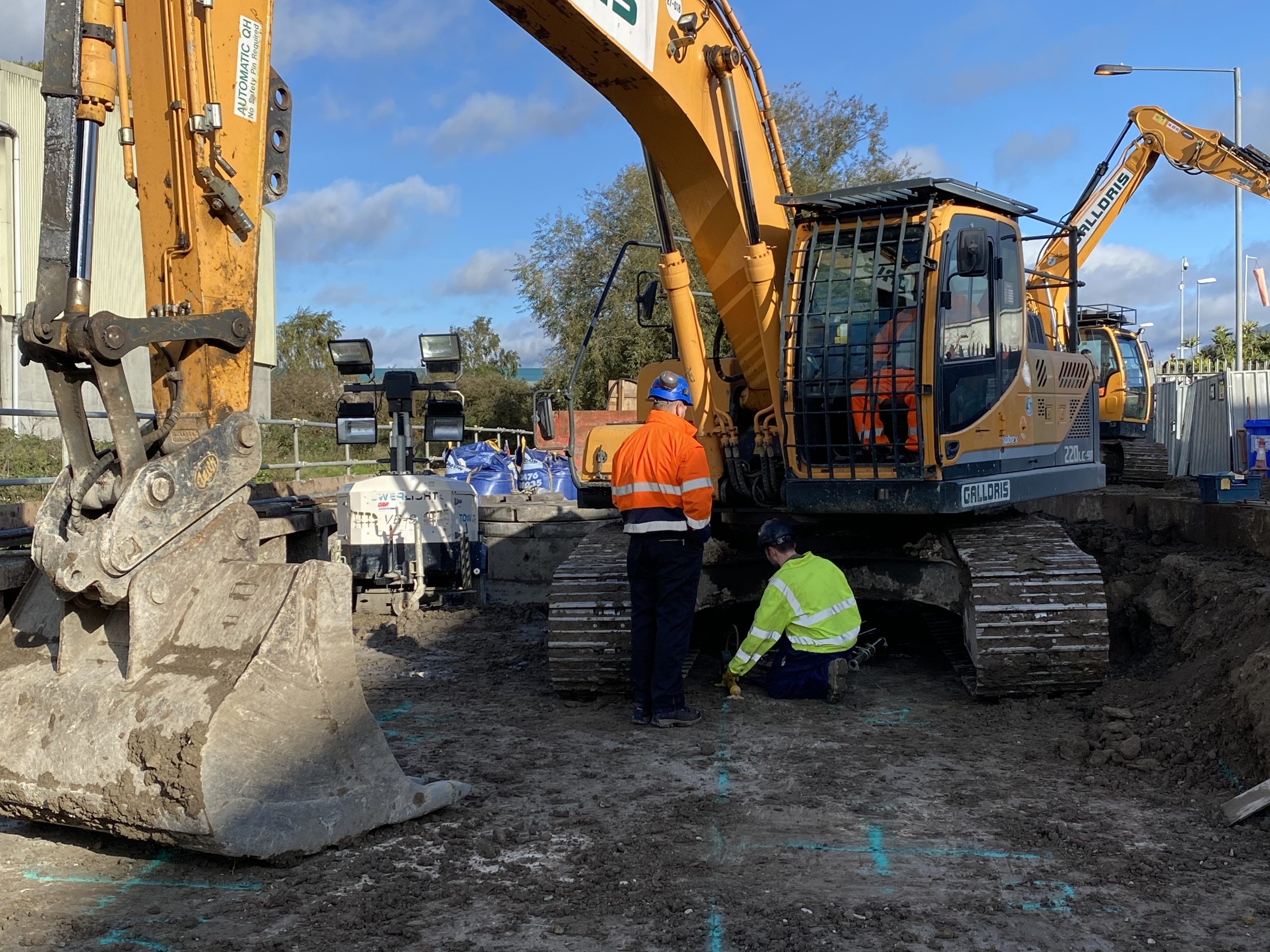
The Environment Agency’s approval of this new protocol means that every excavation involving waste material, whether planned or emergency works must undergo both desk-based and site-based risk assessments before removal. Contractors must separate waste types (asphalt, sub-base, hazardous, non-hazardous) and perform on-site testing to verify contamination levels.
In addition, at least 1% of all qualifying excavations must be validated through UKAS/MCERTS-accredited laboratory testing. These results are used to confirm the accuracy of on-site classification. If the correlation between field and laboratory results drops below 93%, the testing requirement may increase to 2% or even as much as 3% of excavations.
Quarterly reports must then be uploaded to the Street Manager portal and shared with Street Works UK. Non-compliance may lead to increased testing obligations or, in severe cases, removal from the protocol.
How GeoEnviro Solutions Supports Compliance
At GeoEnviro Solutions, we provide end-to-end testing and reporting services to help our clients stay compliant with the new Street Works UK protocol.
Our expertise includes:
- Phase 1 Desk Studies and Contamination Risk Assessments – reviewing historical data, previous land use, and potential contamination sources.
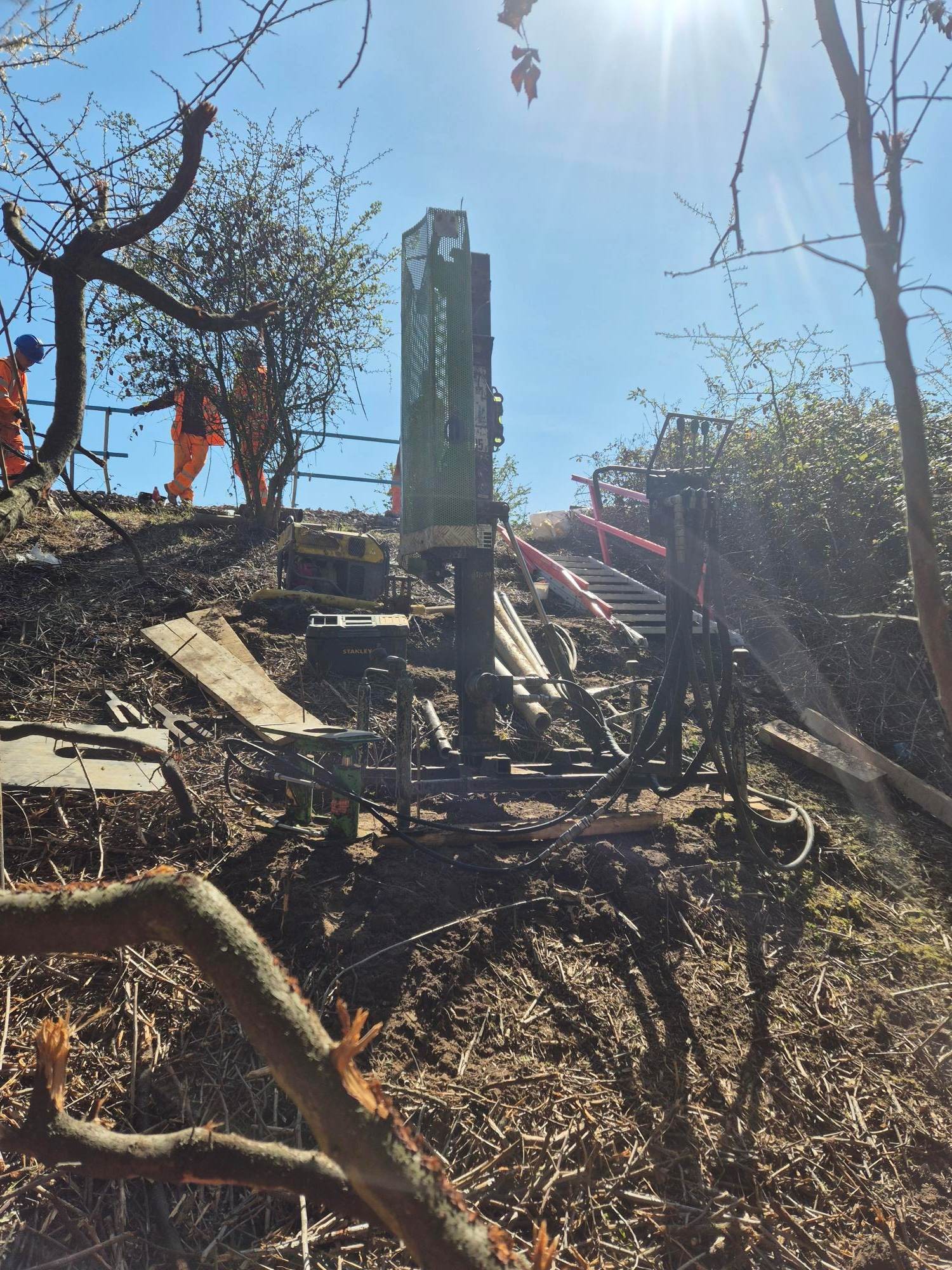
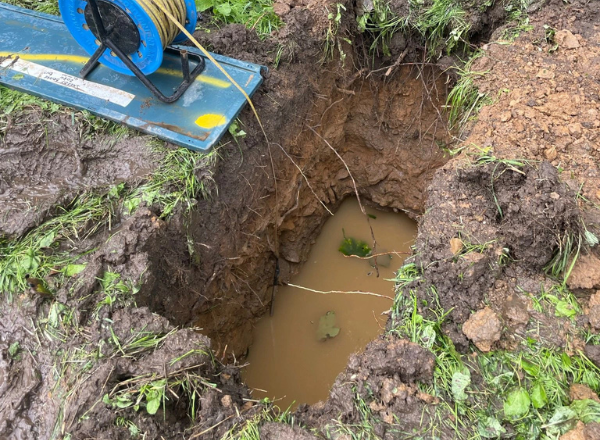
- On-site sampling and window sampling investigations – collecting representative soil and waste samples efficiently and safely.
- Litmus and PAK field testing – identifying potential hydrocarbon contamination and pH variations on site.
- Accredited laboratory analysis – partnering with trusted UKAS/MCERTS-accredited laboratories for validation and compliance testing.
- Waste classification and reporting – producing clear, easy-to-follow Red (Hazardous) or Green (Non-hazardous) classifications and helping upload data to Street Manager.
Our specialists ensure that your street works projects run efficiently while meeting all Environment Agency and Street Works UK requirements, from risk assessment through to final reporting.
Compliance Checklist for Street Works Contractors
To help you prepare for the new Street Works UK Material Classification Protocol, here’s a practical compliance checklist:
- Conduct a Desktop Risk Assessment — review historic site use, contamination history, and previous sampling data.
- Carry out Site-Based Risk Assessments — inspect visible conditions and segregate waste types during excavation.
- Perform On-Site Field Testing — use litmus and PAK kits to identify contamination indicators.
- Maintain Waste Segregation — keep asphalt, sub-base, non-hazardous and hazardous soils separate.
- Commission Laboratory Testing — submit at least 1% of samples to accredited labs for validation.
- Submit Quarterly Reports — upload classifications and lab results to the Street Manager portal.
- Partner with a Compliance Expert — work with GeoEnviro Solutions for full SWUK compliance and support.
FAQs About the New Street Works Protocol
What is the Street Works UK Material Classification Protocol?
A new, risk-based framework replacing RPS 298/299 for classifying excavation waste from street and utility works. It standardises how waste is assessed, tested, and reported.
Who does it apply to?
All organisations carrying out excavation, reinstatement, or utility works within the highway, including local authorities, gas, water, telecoms and civil engineering contractors.
How much testing is required?
At least 1% of qualifying excavations must be laboratory tested. If field and lab accuracy drops below 93%, the rate may rise to 3%.
Do lab results change waste classification?
No. On-site classification remains valid; lab results are used to verify compliance and ensure reporting accuracy.
How can GeoEnviro Solutions help?
We deliver comprehensive testing, classification, and reporting services fully aligned with the Street Works UK Protocol, helping you meet all Environment Agency requirements.
Get compliant with the Street Works UK Protocol, contact GeoEnviro Solutions for expert waste classification, sampling, and laboratory testing under the Street Works UK Protocol.