Land Contamination Risk Management (LCRM) is crucial for assessing and managing contaminated land in compliance with environmental regulations. Following the introduction of Part 2A of the Environmental Protection Act 1990, local authorities have a legal obligation to record and manage land impacted by contamination. Much of this process is handled through the planning system, using Conditions attached to Planning Approvals.
At this point, it is important to clarify terminology. Many people use the term “contaminated land,” but under Part 2A, contaminated land has a legal definition requiring strict remediation oversight by the Environment Agency. To avoid confusion, professionals prefer terms like “land contamination” or “land containing contamination.”
LCRM Stage 1: Preliminary Risk Assessment (PRA)
How to apply and manage these conditions are controlled by government guidance. For a long time, the guidance was CLR11 (Contaminated Land Report no. 11) Model Procedures for the Management of Land Contamination. However, this was withdrawn in October 2020 and replaced with the LCRM (Land Contamination Risk Management) guidance, which is still in force. However, much of the terminology, such as the term “Phase I”, is still in use today.
LCRM follows a step-by-step approach to investigating land contamination:
- Risk Assessment (Stage 1)
- Preliminary Risk Assessment (PRA)
- Generic qualitative risk assessment
- Detailed quantitative risk assessment
- Options Appraisal (Stage 2)
- Identify feasible remediation options
- Conduct a detailed evaluation
- Select the final remediation method
- Remediation and Verification (Stage 3)
- Develop a remediation strategy
- Implement remediation
- Produce a verification report
- Conduct long-term monitoring if required
In practice, most of the work related to investigating land contamination within the planning system is encompassed by Stage 1, which covers the steps required to investigate a site. It is important to remember that LCRM identifies that it is possible at each stage to exit the process provided that “there are no unacceptable risks”.

Key Changes in LCRM from CLR11
Two major changes within LCRM Stage 1 (Preliminary Risk Assessment – PRA) include:
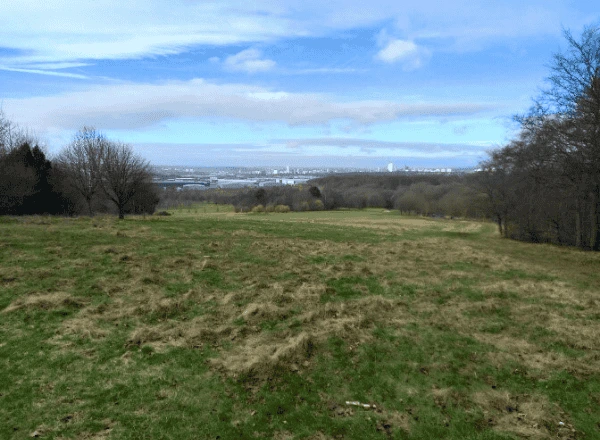
- Site walkover (reconnaissance visit) is now a required step.
- The assessment of potential Unexploded Ordnance (UXO) must be considered.
A Tier 1 Preliminary Risk Assessment therefore comprises a review of the history of the site through Ordnance Survey maps, regulator-held environmental data, generally obtained from a third-party dataset provider, (however, we are increasingly finding that we also need to approach local authorities directly as they don’t always provide all the data to the third party providers), a site reconnaissance visit, a review of on-line portal based data, such as the Coal Authority, the EA (SEPA for Scotland), UXO search; all of which is reviewed.
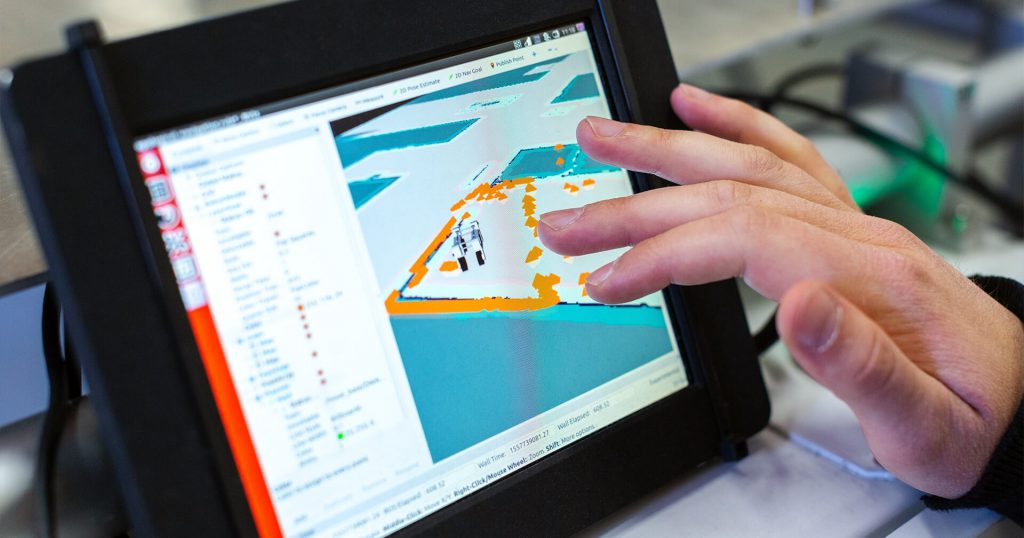
The aim of all this data gathering for the Tier 1 assessment is to prepare a Conceptual Site Model (CSM) which identifies potential pollutant linkages using the source-pathway-receptor approach and defines probability, consequence and risk in line with CIRIA C552.
The outcome of which is to either determine that there are no unacceptable risks, that the site can be determined fit for purpose and that no further investigation is needed, or that contamination may be present such that risk cannot be discounted, meaning further investigation is needed.
LCRM Stage 2: Options Appraisal and Remediation Strategy
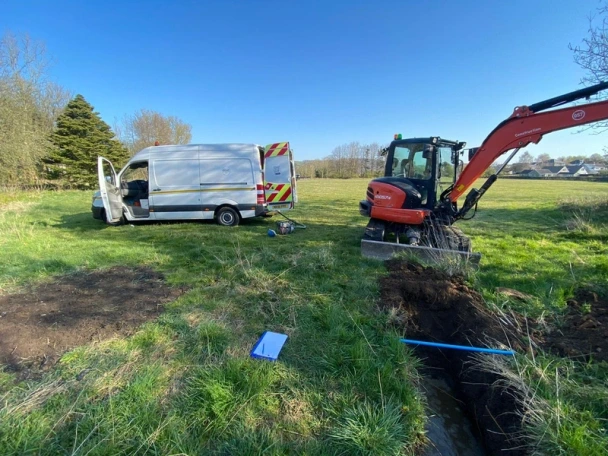
If further investigation is recommended, then we move to Tier 2 within Stage 1. LCRM describes this as the GQRA (Generic Qualitative Risk Assessment), however, the industry still uses the old CLR11 term, that of a Phase II Site Investigation. In practice, this involves:
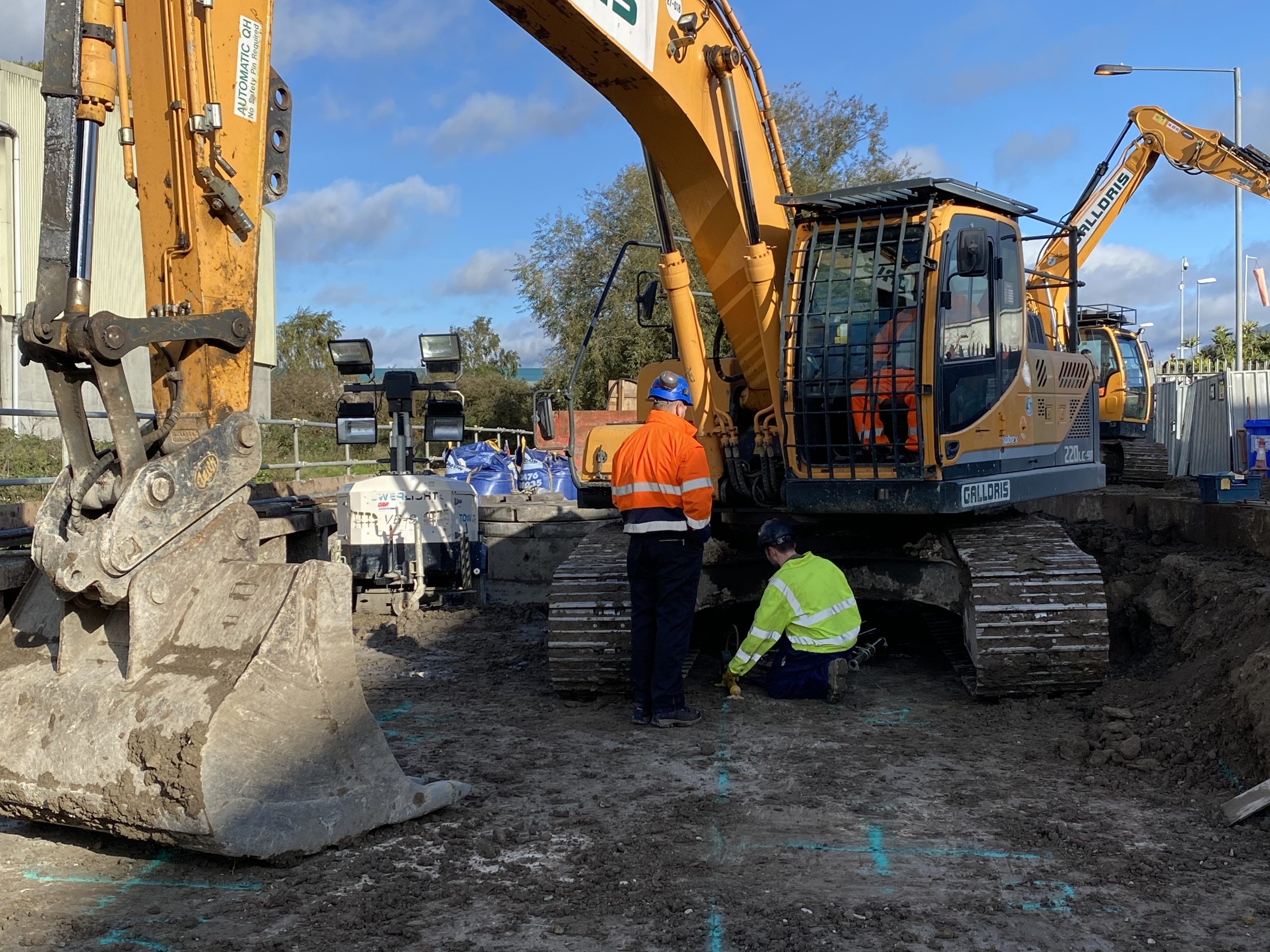
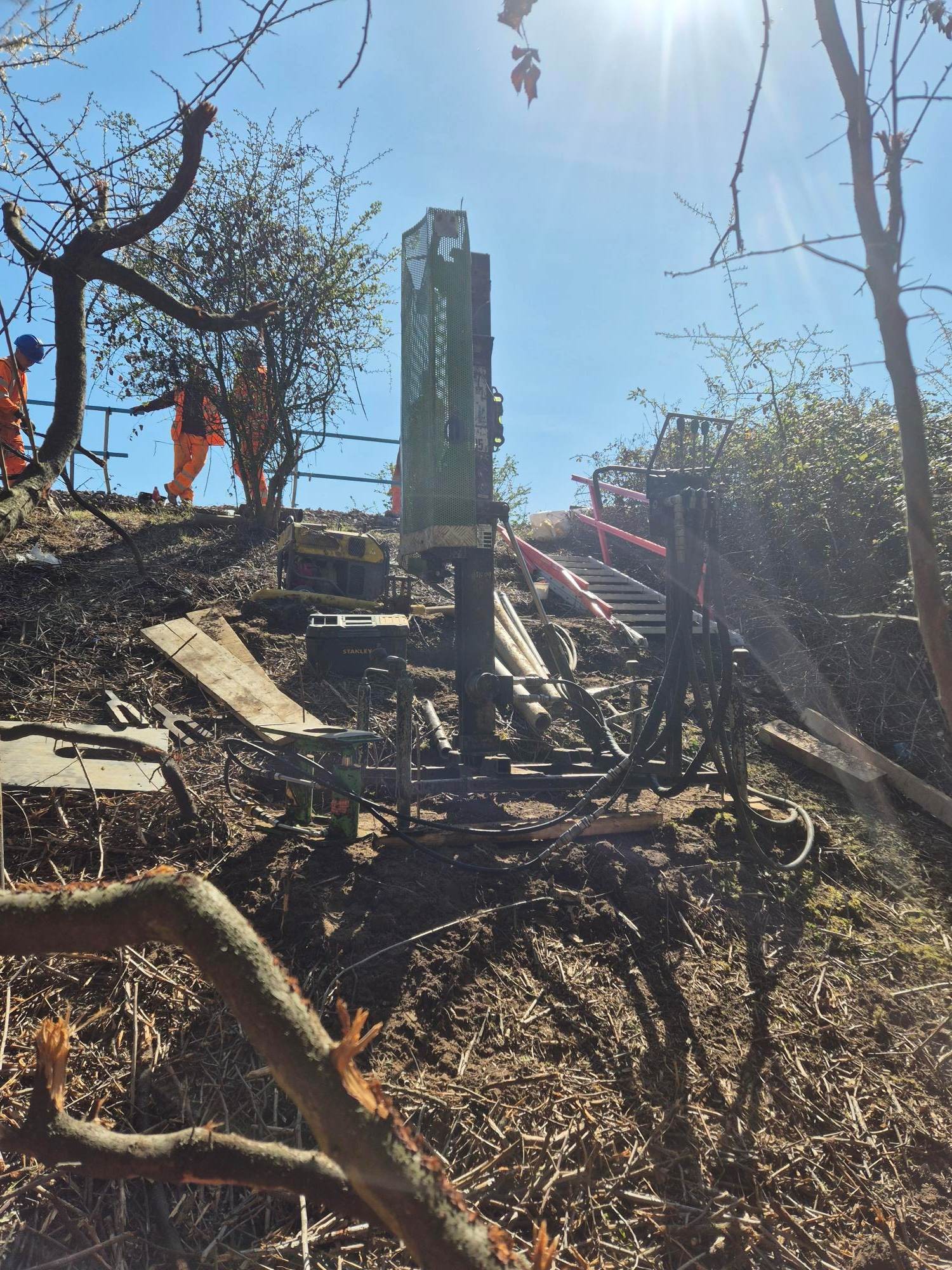
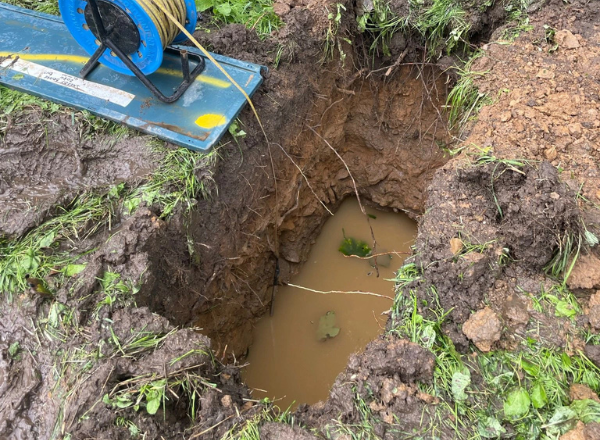
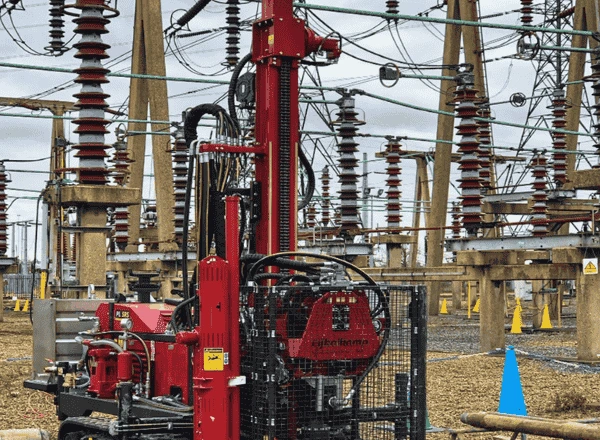
- Drilling or digging test holes.
- Collecting and analyzing soil samples.
- Monitoring hazardous ground gases.
All of this work is aimed at providing an Updated CSM. The assessment at this step is to compare the site-gained data against pre-determined, generic, values, called Soil Guidance Values (SGVs). That is to say, we would take the Preliminary CSM and confirm/dispel the potential pollutant linkages in the Tier I investigation. As at the Tier 1 step, if the GQRA shows that none of the potential pollutant linkages actually exist, or that if contamination is present, it is at a sufficiently low enough level not to be a risk, the site can be deemed fit for purpose and no further action is needed.
If further investigation is needed, technically the next step is to carry out a DQRA (detailed quantitative risk assessment). The reality is that very, very few sites need to go to this extra step, the vast majority of the industry and is considered acceptable to most, if not all, local authorities, to omit this tier and move straight onto Stage 2.
Which means we move to the need for remedial action to be put into place to render the site safe and fit for purpose.
Again, it is generally accepted that this step is referred to as the remediation stage, where the Stage 2 Options Appraisal comes into play, that is to say, research and determine the best approach as to how to deal with the contamination on site. As such, the Options Appraisal actually forms part of the larger Remediation Strategy process.
For this reason, a Remediation Strategy should include both a review of what remediation techniques would work on the site and then determine which is the most optimal, including a cost / benefit assessment from the developer’s perspective.
It is important to remember at this stage that whilst our role as the specialist is to determine and minimise risks from contamination to identified receptors, we work for the developer, not the local authority, and the regulator cannot, by law, be too onerous in their determination of risk. Our role is to manage risk, not necessarily remove it.
LCRM Stage 3: Remediation, Verification & Validation
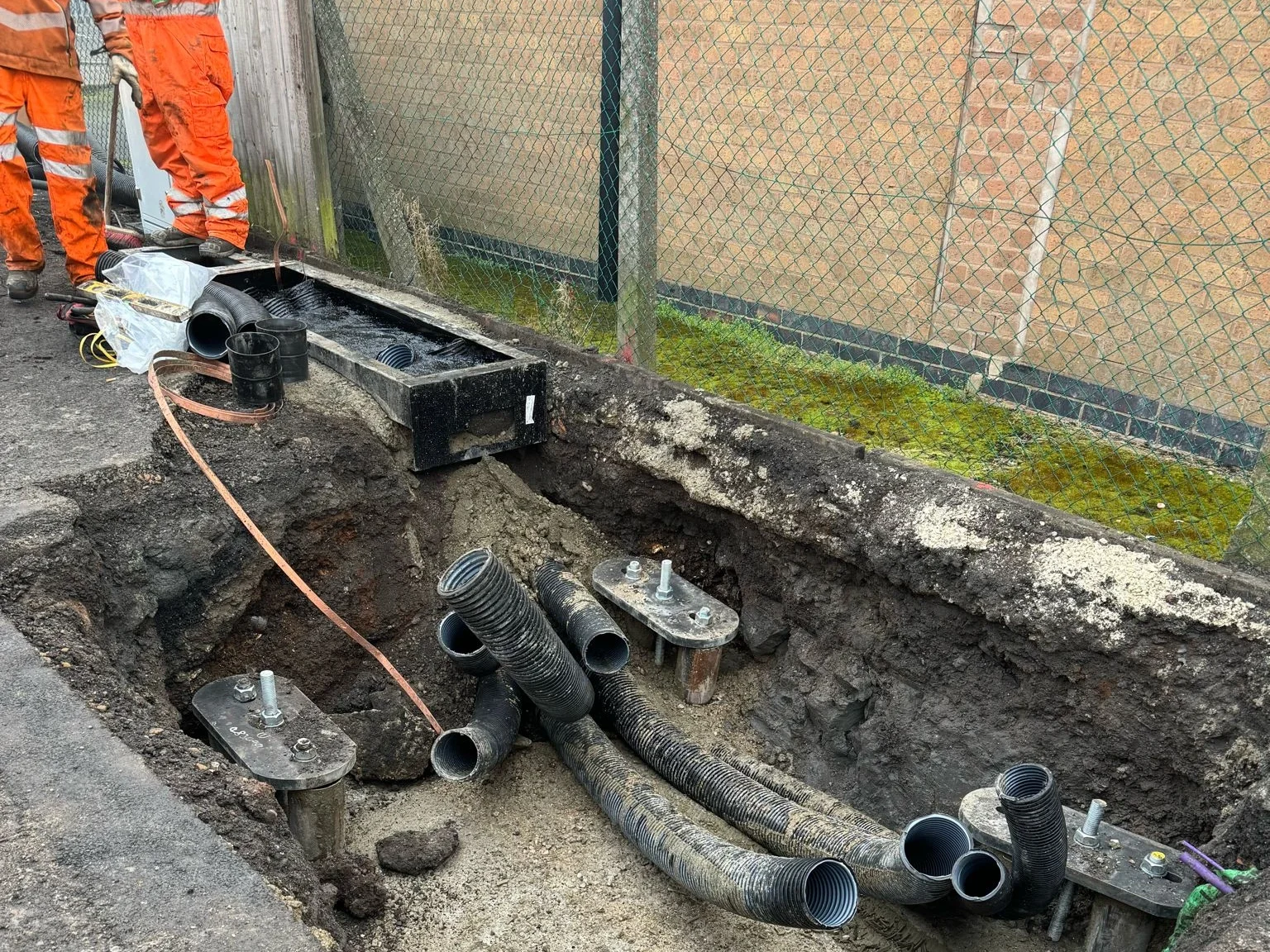
The next step in the process is to carry out the remediation in accordance with the approved strategy. During this process, it is important to keep records of everything that happened, including those things which didn’t happen, such as finding previously unidentified contamination or introducing contamination to the site, e.g., a fuel leak allowing spilled fuel to enter the ground. All of this needs reporting in the Validation Report.
Which brings us to the last regular step in the LCRM process, the production of a Validation Report. This is the mechanism by which we tell the regulator (the LPA) that the contamination identified on-site has been dealt with appropriately. It is important to remember that even if no contamination was found and no remediation was undertaken, it may still be that the LPA will want to see a Validation Report to have in writing that no previously unidentified contamination was encountered and no contaminative activities occurred during the works. One would also be required if the soil is brought onto the site for the gardens, in case the soil you bring on to the site is actually contaminated.
Why Land Contamination Risk Management (LCRM) Matters
It is important to remember that this work must be carried out by a ‘Competent Person’ as defined in Paragraph 189 of the National Planning Policy Framework (NPPF). A competent Person is defined as:
- A Suitably Qualified Person (SQP) registered under the NQMS
- The SoBRA accreditation scheme
- A Specialist in Land Condition (SiLC)
- Membership of a professional organisation relevant to land contamination
- A specialist in the gas protection verification accreditation scheme (GPVS)
- A proven track record of dealing with land contamination
At GeoEnviro Solutions, we meet these competency standards and adhere to the Yorkshire And Lincolnshire Pollution Advisory Group (YALPAG) remediation and validation guidance, ensuring best practices in land contamination risk management.
Take the Next Step in Land Contamination Risk Management (LCRM)!
At GES, we specialize in land contamination risk assessment, remediation, and validation to ensure your project meets regulatory compliance and environmental safety. Whether you’re at the preliminary risk assessment stage or need a remediation strategy, our team of experts is here to help.
📞 Get in Touch Today!
✔ Expert Consultation – Tailored solutions for your site.
✔ Regulatory Compliance – Ensure smooth approvals with LPAs.
✔ Comprehensive Risk Management – Minimize costs while maintaining safety.
📩 Contact us now to discuss your project and get a free consultation! 🚀