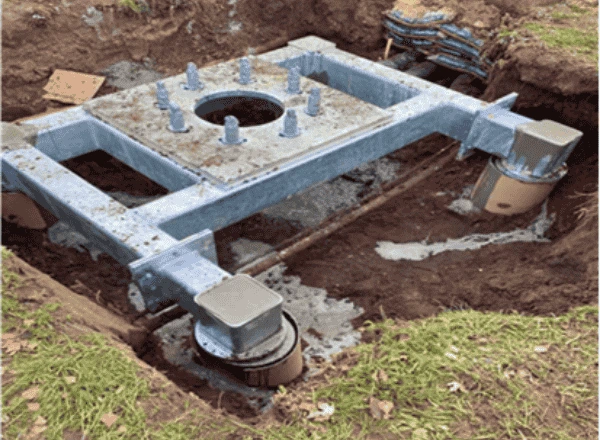
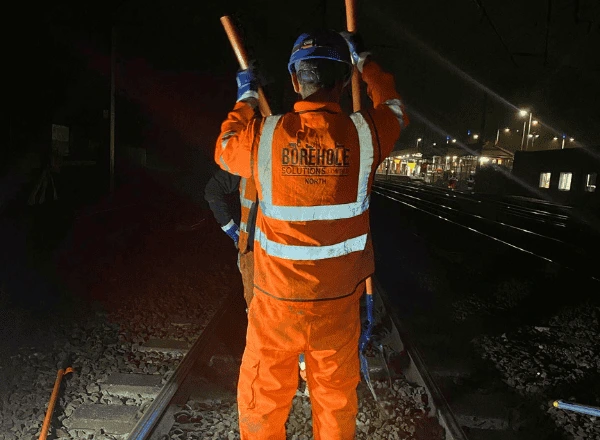
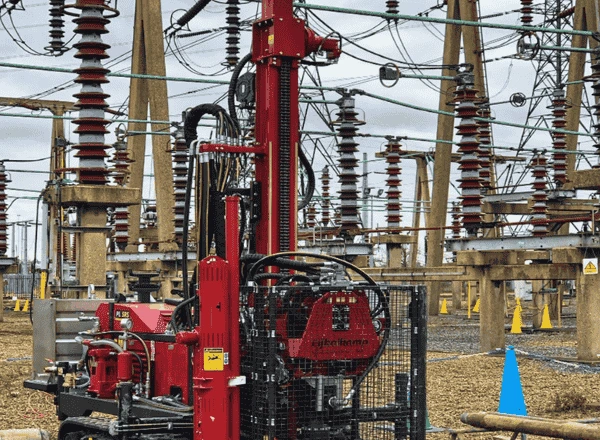
Soakaways are increasingly recognised as an essential component of Sustainable Drainage Systems (SuDS), playing a critical role in modern urban planning and development. However, the reality of implementing a soakaway system is far more complex than the common perception of a simple buried reservoir filled with gravel.
Understanding Soakaways and Their Importance
A soakaway typically functions as an underground reservoir, collecting excess water and gradually allowing it to infiltrate the surrounding soil. While seemingly straightforward, proper soakaway design requires detailed infiltration tests to ensure efficiency and compliance with local regulations.
Soakaway Tests: BRE 365 Method
The BRE 365 Soakaway Test is the most commonly referenced method for assessing soil infiltration potential:
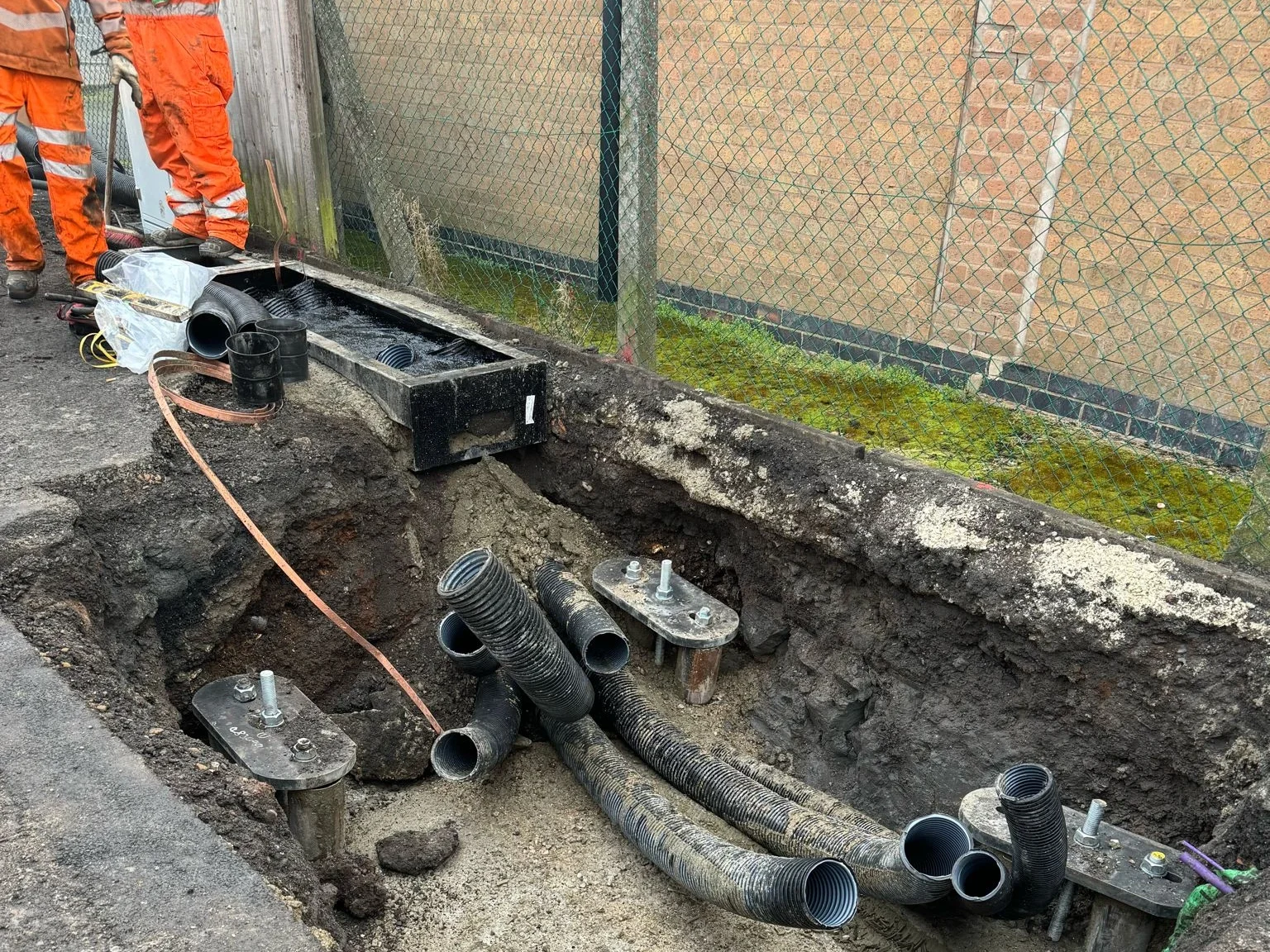
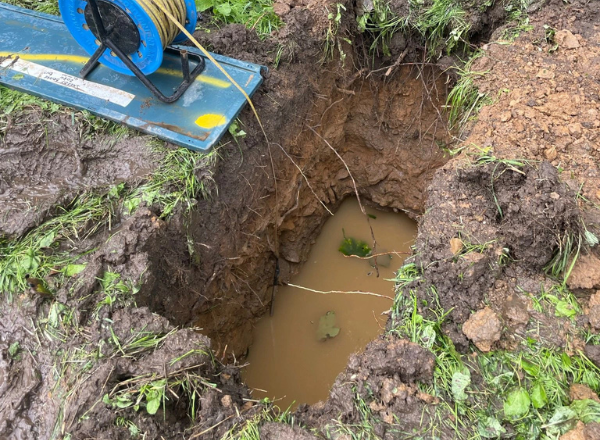
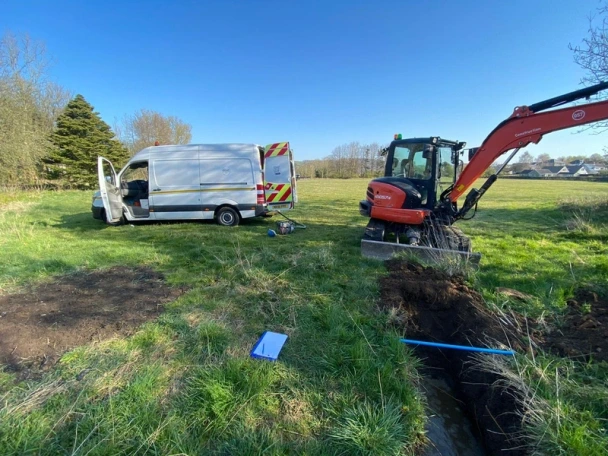
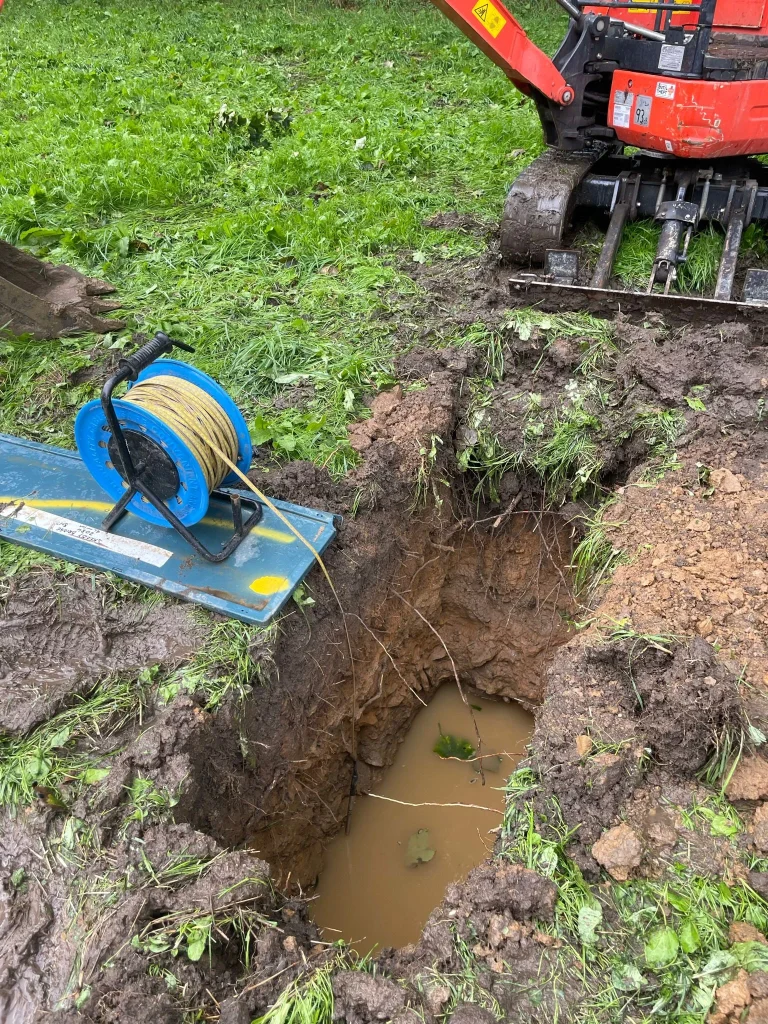
- Procedure: A trial pit, usually 2.5 meters deep, is excavated, filled with water to approximately 1 meter depth, and the rate of water drainage is measured.
- Complexity: The full BRE 365 method recommends conducting three separate tests, each lasting up to 24 hours, potentially requiring up to five days for comprehensive data.
- Industry Practice: Given the extensive time and cost, many industries adopt a condensed version of this test, typically running a single test for around eight hours, an approach frequently accepted by local planning authorities.
Challenges with BRE 365 Tests
A significant limitation of the BRE 365 test emerges when dealing with clay-heavy soils, where the water level fails to reach the required 25% mark to calculate infiltration accurately. This limitation often leads to an erroneous conclusion that a site is unsuitable for a soakaway, despite potentially viable drainage conditions.
Alternative Methods: Borehole Infiltration Tests (BS5930)
Due to limitations of the BRE 365 method, alternative approaches like Borehole Infiltration Tests (BS5930) have become popular:
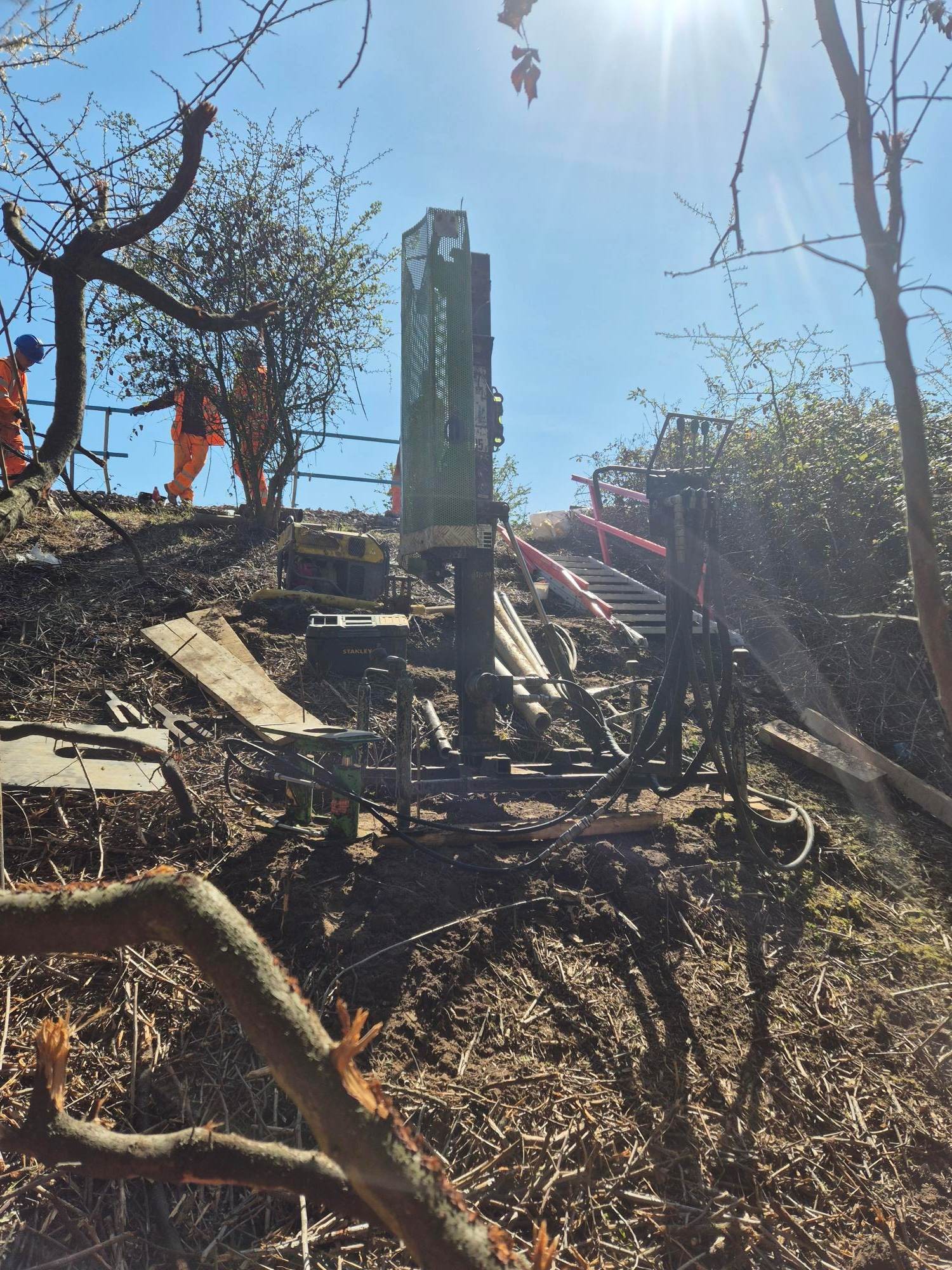
Applicability: This method enables deeper infiltration analysis, making it suitable for sites initially failing BRE 365 tests and facilitating the construction of borehole soakaways that tap into deeper, more permeable strata.
Advantages: Boreholes assess infiltration over a deeper geological profile, providing a reliable infiltration rate even under challenging conditions.
Specialised Approach: BS6297 Method
Additionally, the BS6297 method caters specifically to small-scale wastewater treatment systems like septic tanks, reflecting its specialised application in certain development contexts.
GeoEnviro Solutions: Expert Soakaway Assessments
GeoEnviro Solutions specialises in comprehensive soakaway testing and system design. Our experienced team applies advanced testing methods, including BRE 365, BS5930, and BS6297, ensuring accurate assessments and optimal drainage solutions tailored to your project’s specific geological conditions. Learn more about soakaways: 5 Reasons You Need a Soakaway: The Essential Guide to Water Management
Contact GeoEnviro Solutions Today
Take the first step toward efficient, sustainable drainage. Contact GeoEnviro Solutions to learn how our soakaway solutions can benefit your property and the environment.
Contact us today to optimise your property’s drainage efficiency with professional soakaway testing and installation from GeoEnviro Solutions.